As dogs age, their nutritional needs may change, but “senior” status alone does not determine the right diet. Body weight, joint comfort, and kidney health
Supplements can support specific health needs, but they are not automatically necessary for every dog. The most useful approach is to identify a clear goal, review your dog’s diet and health status, and choose a product only when it fits that need. This guide explains how to evaluate joint-support products, vitamins, and probiotics, while emphasizing the importance of veterinary guidance before adding anything to your dog’s routine. Start With Your Dog’s Actual Need Before shopping, define the result you want to support. Is your dog showing stiffness or reduced mobility, has a veterinarian identified a deficiency, or are there digestive
The best digital tool depends on the task and the result you need. A calculator may help organize a transition or scale ingredient quantities; a recipe checker can support a closer review of a proposed meal; automation can manage shopping lists, reminders, or records; and an AI app can help prepare questions for your veterinarian None of these tools independently approves a diet. Raw and homemade fresh-food plans require attention to nutritional balance, food safety, and the individual dog’s needs. Start by defining the decision you are trying to make, then choose the simplest suitable tool to support—not replace—qualified professional
Some ordinary human foods can seriously harm dogs. The level of risk may depend on the food, portion size, ingredients, and the dog’s age, size, health, and individual sensitivity. Other foods are not formally toxic but may still be poor choices or dangerous in large amounts, because of factors such as fat, salt, bones, or difficult-to-digest ingredients. Use this guide to help prevent exposures and respond appropriately when one may have occurred. It is not a substitute for veterinary care: contact a veterinarian promptly whenever your dog may have eaten a harmful food, especially if the amount or ingredients are
A dog’s weight and body condition can affect overall health, mobility, comfort, and daily well-being. Both excess weight and being underweight may signal that a dog’s nutrition, activity, or health needs closer attention. However, safe weight loss or gain is not the same for every dog. A suitable plan depends on factors such as age, breed, current body condition, health, activity level, and the reason for the dog’s weight change. This guide offers practical ways to assess body condition, organize feeding information, and track progress. It is intended to support—not replace—veterinary care. Before making significant changes to your dog’s food,
A dog’s nutritional needs vary with breed size, but size alone does not determine an exact portion or meal schedule. Age, activity level, body condition, health status, and the food’s feeding directions also shape an appropriate plan This guide provides a practical framework for organizing meals for small, medium, large, and giant dogs. Use each size category as a starting point, then adjust portions and routines according to your dog’s individual response and, when needed, professional guidance. What Determines a Dog’s Feeding Needs? Before choosing portions or meal timing, assess the whole dog rather than body weight alone. Two dogs
A dog calorie calculator provides a practical estimate of how much energy your dog may need each day. It uses information such as body weight and typical activity level to estimate daily calories, helping you make more informed feeding decisions and compare portions consistently. The result is a starting point, not a universal prescription or an exact requirement. Your dog’s body condition, routine, life stage, and other characteristics can affect actual needs. Use the estimate alongside observed changes over time, and seek professional guidance when your dog has specific health or nutritional needs. What RER and DER Mean Resting energy
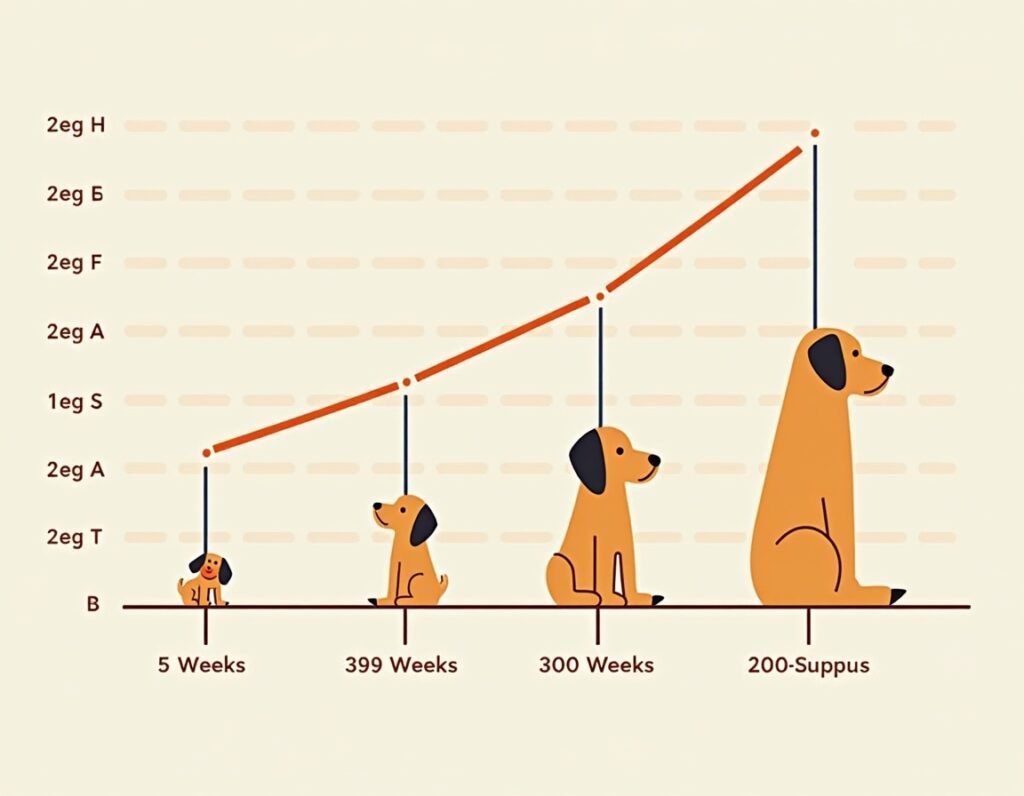
Use this puppy growth guide to measure weight and height from 8 weeks to adulthood, record key milestones, and know when to seek veterinary advice. Regularly recording your puppy’s weight and height can help you notice patterns in development and provide useful context during veterinary visits. Growth varies naturally, however, and is influenced by breed, sex, genetics, nutrition, health, and expected adult size. A measurement is not a test your puppy must pass, and a chart comparison cannot establish a diagnosis or replace veterinary care. Instead, keep consistent records and consider each result alongside appetite, energy, movement, behavior, and general