A dog’s nutritional needs vary with breed size, but size alone does not determine an exact portion or meal schedule. Age, activity level, body condition, health status, and the food’s feeding directions also shape an appropriate plan
This guide provides a practical framework for organizing meals for small, medium, large, and giant dogs. Use each size category as a starting point, then adjust portions and routines according to your dog’s individual response and, when needed, professional guidance.
Table of Contents
What Determines a Dog’s Feeding Needs?
Before choosing portions or meal timing, assess the whole dog rather than body weight alone. Two dogs with the same weight may have different body builds, activity levels, or energy needs.
Size category: Small, medium, large, and giant dogs may require different food guidance and routines.
Age and life stage: Puppies, adults, and seniors may need different food choices, daily quantities, and meal frequencies.
Activity and body condition: Exercise, weight trends, and visible body condition can guide gradual portion changes and monitoring at home.
Health status: Medical conditions, pregnancy, or digestive concerns may affect food choice and require veterinary input.
Food directions: Use the label’s feeding chart as a starting point, then adjust based on your dog’s response rather than treating it as a fixed prescription.
How to Use a Commercial Food’s Feeding Chart
Read the feeding chart on the specific complete dog food you are serving, and first confirm that the food matches your dog’s life stage. Then find your dog’s current weight range rather than choosing an amount based on breed name alone. Use the listed daily amount as a starting point, not an unchangeable prescription. Activity level, age, body condition, and health status may mean your dog needs more or less. Measure the food consistently so you can evaluate changes over time. If your dog’s weight, condition, appetite, or health changes, review the portion and seek veterinary guidance when the appropriate adjustment is unclear.
Small-Breed Feeding Guide
Small dogs need careful portion control because even a modest change in serving size can noticeably affect their total daily intake. Start with the feeding chart on the specific food you use, confirming that it is appropriate for your dog’s life stage. Find the recommended amount for your dog’s current weight and treat that figure as a starting daily portion rather than a fixed prescription.
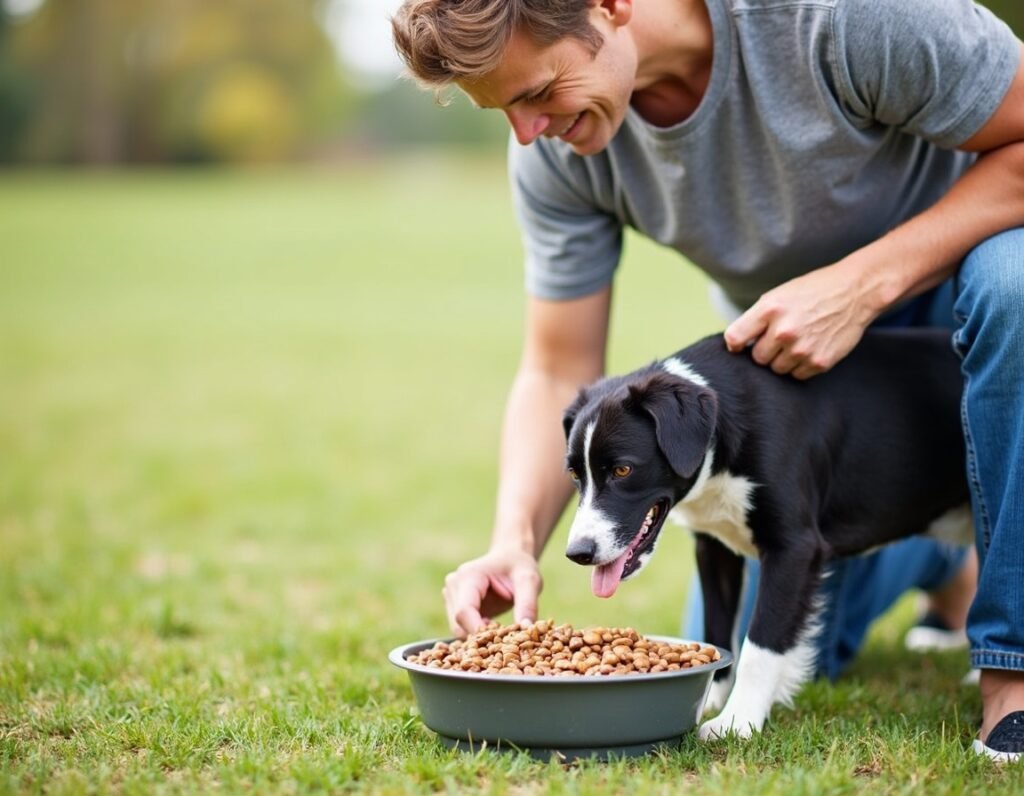
Divide the daily amount into a routine that suits your dog and household, without assuming one meal frequency works for every small dog. Measure each serving consistently instead of estimating, and account for treats or other extras when reviewing the day’s intake. Check your dog’s body condition regularly, along with weight trends and overall response. If your dog becomes noticeably heavier or thinner, review the measured portion and seek veterinary guidance when the appropriate adjustment is unclear.
Small-Breed Meal Planning
Choose a repeatable schedule that fits your small dog’s routine and keeps meal timing consistent. Divide the recommended daily ration deliberately across planned meals rather than serving food by eye. Measure each portion using the same method so you can track intake and identify meaningful changes. Include treats, toppers, and other extras in the day’s total instead of treating them as separate from the feeding plan. If your dog’s activity, weight, body condition, or routine changes, make modest adjustments gradually and monitor the response. Review appetite, energy, stool quality, and body condition, and seek veterinary guidance if the appropriate change is unclear.
Medium-Breed Feeding Guide
Begin with the feeding chart for the complete dog food you are using, and locate the daily amount associated with your medium dog’s current weight. Treat that figure as a starting point rather than a fixed prescription. A dog that exercises regularly may need a different portion from a less active dog, but there is no single activity formula that applies to every medium breed. Review the starting amount alongside your dog’s routine and response.
Serve the measured daily ration at consistent times so intake is easier to track and changes are easier to evaluate. Monitor weight trends and body condition, along with appetite, energy, and stool quality. If your dog steadily gains or loses weight, seems unusually hungry or tired, or develops changes in stool quality, reassess the portion and food plan. Seek veterinary guidance when the appropriate adjustment is unclear.
Medium-Breed Meal Planning
Divide your medium dog’s measured daily ration across planned meals that fit your household routine. Serving food at consistent times makes intake easier to track and helps you compare changes over time. Coordinate meals with normal activity without assuming that exercise automatically requires a specific increase; assess your dog’s overall response instead. Count training food, treats, toppers, and other extras as part of the day’s intake rather than treating them separately. After a meaningful change in activity, weight, or body condition, review the plan and make gradual adjustments. Continue observing appetite, energy, stool quality, and body condition to determine whether the revised routine remains appropriate.
Large-Breed Feeding Guide
Large dogs need careful portion control, even when their daily servings are larger than those of smaller dogs. Begin with the feeding chart for the specific complete food you use, confirm that it suits your dog’s life stage, and follow label guidance or veterinary advice when selecting an appropriate diet. Measure each serving consistently rather than estimating or adding food simply because your dog is large.
Growth-related decisions deserve particular care for large-breed puppies. Use food and feeding directions intended for the appropriate life stage and size category, and seek veterinary guidance if you are uncertain about the plan or how to adjust it as your puppy grows. Avoid casual overfeeding, since appetite alone does not establish the correct portion.
For adult large dogs, review body condition and weight trends regularly. Also consider activity, appetite, energy, and stool quality when evaluating the plan. Gradual adjustments are preferable when changes are needed, with professional guidance when the appropriate change is unclear.
Large-Breed Meal Planning
Build a repeatable routine by serving your large dog’s measured daily ration at consistent times and recording what is offered. Avoid adding food based only on begging, the dog’s size, or a perceived increase in hunger. Include treats, toppers, and other extras when reviewing the day’s total intake.
Track body condition and weight trends regularly. If your dog becomes heavier or thinner, review meal portions, treats, activity, and whether the current food remains suitable. Make changes gradually, and discuss unclear needs or persistent changes with a veterinarian.
Giant-Breed Feeding Guide
Giant dogs need more than a larger version of a smaller dog’s ration. Their feeding plan should be individualized using the food label, life stage, activity, body condition, health status, and veterinary guidance. Start with a complete food appropriate for your dog’s life stage, then use the label’s weight-based directions to establish a measured daily amount. Divide that amount into planned servings rather than feeding by appetite or estimating portions.
For giant-breed puppies, careful growth management is especially important. Follow guidance for an appropriate puppy food and review the plan with a veterinarian, particularly when choosing food or deciding how to adjust intake as the puppy grows. For adults and seniors, reassess portions when activity, body condition, appetite, or health changes. Regularly review weight trends and overall response, and make adjustments gradually with professional input when the correct change is unclear.
Giant-Breed Meal Planning
Build a repeatable routine by serving a giant dog’s measured daily ration at consistent times. Record the food offered, meal portions, and any changes so you can compare the plan with your dog’s response. Include treats, toppers, table food, and other extras in the daily total, since they can meaningfully affect overall intake. Monitor body condition, weight trends, appetite, energy, and stool quality. If any of these indicators change, review the portions, activity, and extras rather than making a large adjustment immediately. Unless a veterinarian gives different instructions, change the plan gradually and continue tracking the response.
Puppy Feeding by Size
Puppy feeding cannot be planned from expected adult size alone. Small-breed puppies may follow a different growth pattern and feeding routine than medium-breed puppies, while large- and giant-breed puppies require especially careful attention to controlled growth and appropriate food guidance. For every category, verify that the food is complete and intended for the puppy’s life stage, then confirm whether its directions address the relevant size-related needs. Use the label as a starting point, measure portions consistently, and monitor body condition, weight trends, appetite, and overall development. Ask a veterinarian before making significant portion changes, or if growth appears unusually slow or rapid. Professional guidance is also appropriate when you are unsure whether the food, meal schedule, or adjustment is suitable for your puppy.
Adult and Senior Dogs
Reassess your dog’s feeding plan as adulthood progresses, especially if activity decreases, body condition changes, or appetite and energy shift. Portions that suited a younger, more active dog may no longer be appropriate, so review the measured daily amount and account for treats and other extras. Also confirm that the current food remains suitable for your dog’s life stage and health status. Senior status alone does not determine one exact diet or meal schedule; the right approach depends on the individual dog. New health concerns, digestive changes, or ongoing weight changes warrant individualized veterinary advice. Review the plan regularly rather than leaving a puppy or adult routine unchanged indefinitely.
Treats, Toppers, and Table Food
Count treats, toppers, table food, and training rewards as part of your dog’s daily intake, regardless of size category. Measure them when practical, or estimate them consistently enough to compare intake from day to day. If extras increase, reduce meal portions only through a deliberate, trackable plan rather than random compensation. Record the adjustment and monitor body condition, weight trends, appetite, and energy. Extras should not displace the dog’s complete, balanced primary diet. When frequent treats or toppers make the daily total difficult to track, simplify the routine and seek veterinary guidance if portion changes are unclear.
How to Monitor Whether the Plan Is Working
Treat feeding as an ongoing cycle, not a one-time portion decision. Review your dog’s body condition and weight trend regularly, then consider appetite, energy, and stool quality alongside any changes in exercise, routine, or health. One unusual observation may not require an immediate change; look for patterns over time and note what else has changed.
- Record the measured daily food, treats, and relevant routine changes.
- Check body condition and weight trends at consistent intervals.
- If a gradual change suggests the portion may be unsuitable, make a measured adjustment and observe the response.
- Reassess appetite, energy, stool quality, and condition after the adjustment.
Persistent or concerning changes, rapid weight shifts, unusual appetite, or uncertainty about the next step warrant professional advice.
When to Consult a Veterinarian
General feeding guidance may be insufficient when your dog’s needs are changing or unclear. Ask a veterinarian for individualized advice if your dog:
- Gains or loses weight rapidly, or has an unusual increase or decrease in appetite
- Develops persistent digestive problems or changes in stool quality
- Has a known medical condition or takes medication that may affect feeding decisions
- Is pregnant or in another life stage requiring specialized guidance
- Is a puppy with unusually rapid or slow growth, or other growth concerns
- Needs a different food or portion, but you are uncertain which option is appropriate
A veterinarian can help assess the individual dog and recommend a suitable food, portion, and adjustment plan.
A Simple Size-Based Feeding Checklist
- Classify your dog as small, medium, large, or giant.
- Confirm the appropriate life stage: puppy, adult, or senior.
- Read the feeding chart for the specific complete food and locate the relevant weight range.
- Measure the recommended daily amount consistently.
- Divide that amount into planned meals that suit your dog’s routine.
- Track treats, toppers, table food, and training rewards as part of daily intake.
- Monitor body condition, weight trends, appetite, energy, and stool quality.
- Review the plan regularly and adjust gradually; consult a veterinarian when changes, growth concerns, health issues, or portion decisions are unclear.
Small, medium, large, and giant dogs should not automatically follow the same feeding approach. Use size, life stage, the food label’s guidance, and your dog’s individual response together to create a practical starting plan. Measure portions, monitor body condition and other changes, and review the routine regularly. Adjust carefully rather than abruptly, and seek veterinary advice whenever your dog’s needs, health, growth, or appropriate portion are uncertain.